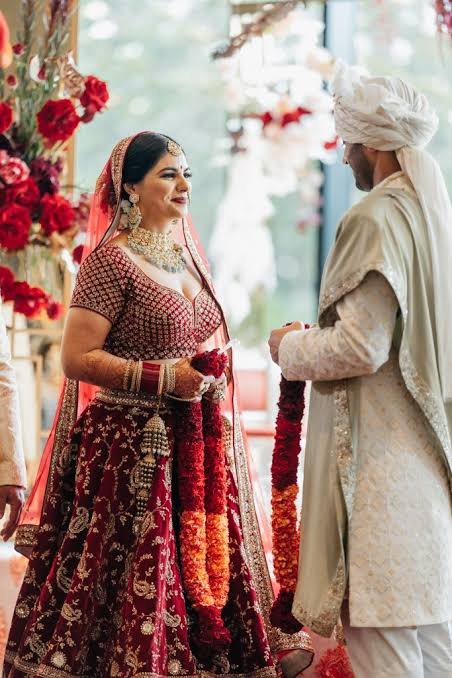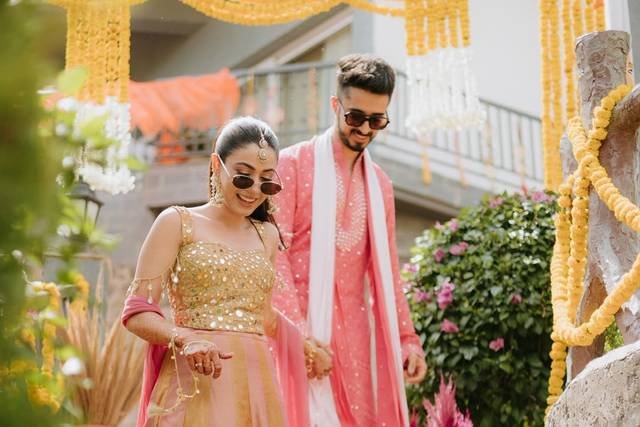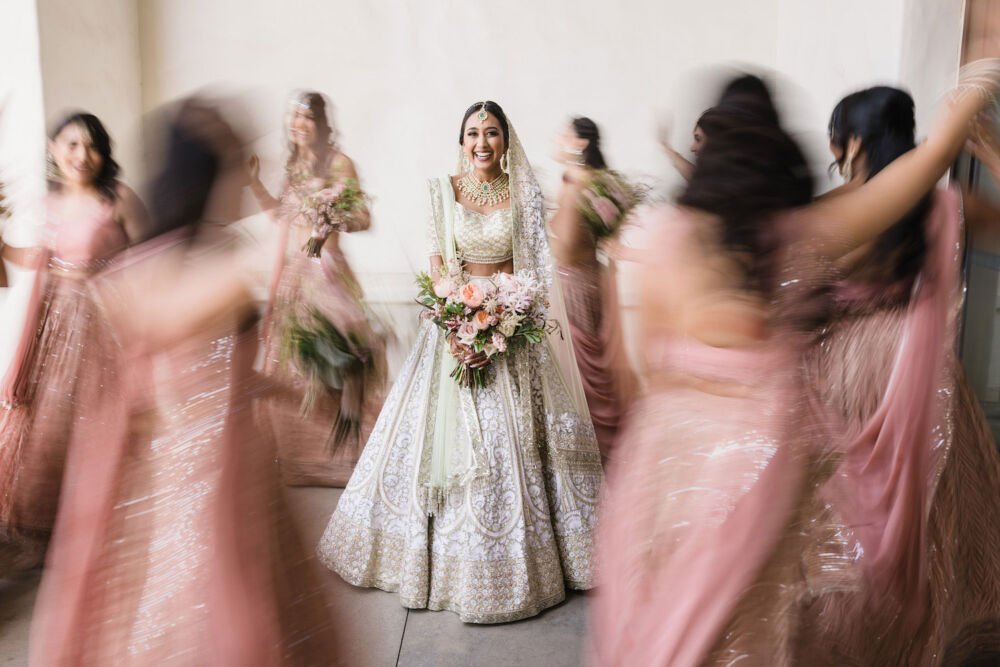
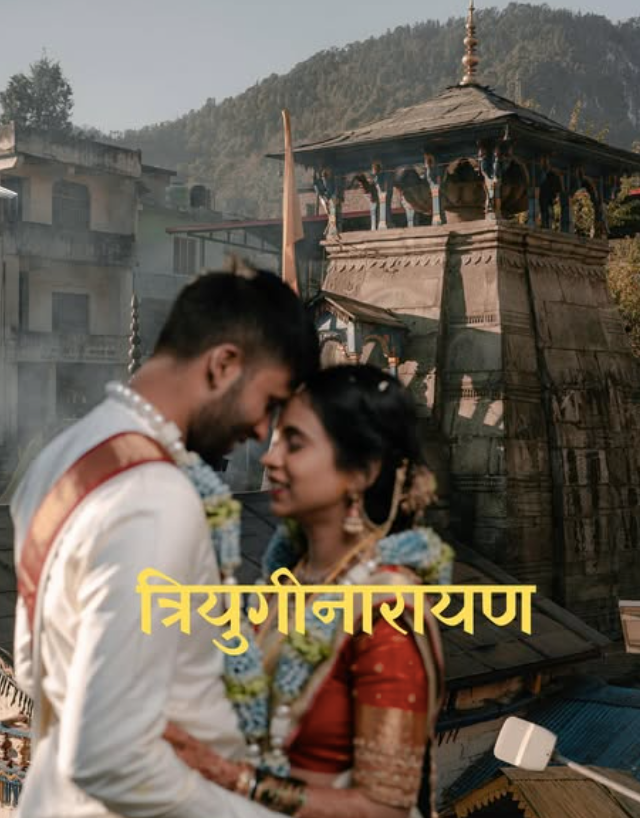
Triyuginarayan Temple in Uttarakhand is not just a wedding venue—it is a sacred destination where mythology, spirituality, and tradition come together. Known as the legendary wedding site of Lord Shiva and Goddess Parvati, this temple is one of the most auspicious places in India for a Hindu marriage.
Couples from across India and abroad choose Triyuginarayan to perform their wedding rituals exactly as prescribed in ancient scriptures. However, understanding the ritual process, temple customs, and required arrangements is essential for a smooth and meaningful ceremony.
As experienced destination wedding planners in Triyuginarayan, we explain each ritual step-by-step to help couples plan their sacred union with clarity and confidence.
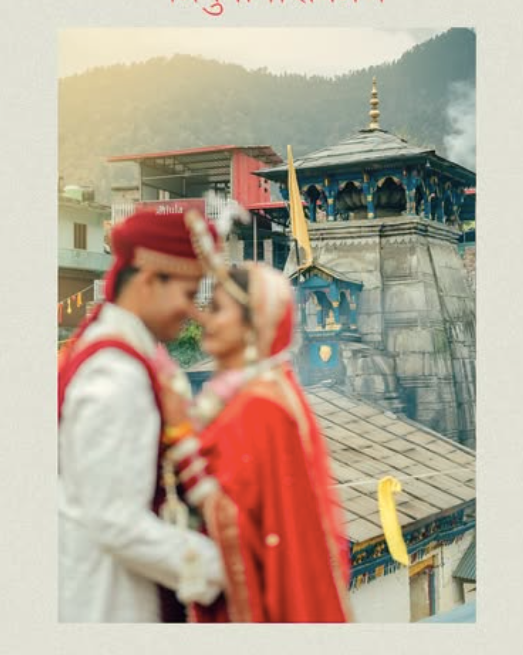
Why Wedding Rituals at Triyuginarayan Are So Special
The most powerful element of Triyuginarayan Temple is the Akhand Dhuni—the eternal fire believed to have witnessed the divine wedding of Shiva and Parvati. Unlike regular weddings, where a temporary havan kund is created, here the sacred fire has been burning continuously for thousands of years.
Marrying in front of this fire is considered extremely auspicious and symbolizes:
- Eternal commitment
- Divine blessings
- Spiritual purity
- Lifelong unity
Pre-Wedding Ritual Preparations at Triyuginarayan
1. Temple Permission & Muhurat Selection
Before any rituals begin, formal permission from the temple authority is required. Experienced wedding planners coordinate:
- Wedding date approval
- Muhurat selection
- Priest availability
- Ritual timeline
This step is crucial, as ceremonies are conducted strictly according to temple rules.
2. Ganesh Puja
The wedding rituals begin with Ganesh Puja, seeking blessings for the removal of obstacles. This is performed either:
- At the accommodation, or
- Near the temple premises
This ritual ensures a smooth and successful wedding ceremony.
Main Wedding Rituals at Triyuginarayan Temple
3. Kanyadaan
The bride’s parents offer their daughter into marriage by placing her hand in the groom’s, symbolizing trust, responsibility, and blessings. This ritual is performed with Vedic chants in the presence of the temple priest.
4. Vivah Havan (Sacred Fire Ritual)
Unlike conventional weddings, Triyuginarayan weddings are conducted in front of the Akhand Dhuni. Offerings such as ghee, rice, herbs, and flowers are made into the fire while sacred mantras are recited.
This ritual signifies divine witness and spiritual bonding.
5. Mangalashtakam
Priests chant traditional Mangalashtakam mantras, blessing the couple with prosperity, harmony, and lifelong companionship.
6. Saptapadi (Seven Sacred Vows)
The couple takes seven steps around the sacred fire, each step representing a promise related to:
- Nourishment
- Strength
- Prosperity
- Happiness
- Family
- Harmony
- Lifelong companionship
Once the Saptapadi is completed, the marriage is considered spiritually complete.
7. Sindoor & Mangalsutra Ceremony
The groom applies sindoor and ties the mangalsutra, symbolizing the bride’s new marital status and lifelong bond.
Post-Wedding Rituals
8. Ashirvad (Blessings Ceremony)
Elders and family members bless the couple for a prosperous married life.
9. Prasad Distribution
Sacred prasad from the temple is distributed to guests as a blessing from the divine wedding site.
Important Temple Guidelines to Follow
Expert planners ensure compliance with all temple norms:
- Limited guest count (intimate ceremonies only)
- Traditional attire preferred
- Simple mandap arrangement
- Minimal décor
- Respectful photography rules
- Strict ritual timings
Failure to follow these guidelines can lead to ceremony delays or restrictions.
Why You Need an Expert Wedding Planner for Triyuginarayan
Planning a wedding at Triyuginarayan Temple is very different from a regular destination wedding. An experienced planner ensures:
- Smooth temple coordination
- Proper ritual flow
- Authentic Vedic practices
- Guest travel & accommodation management
- Stress-free execution
Without local expertise, managing permissions, priests, and logistics in a remote Himalayan location can be challenging.
Best Time to Perform Wedding Rituals at Triyuginarayan
The ideal months are:
- April to June
- September to November
Avoid monsoon and extreme winter due to weather conditions.
Frequently Asked Questions (FAQs)
Is marriage legally valid if performed at Triyuginarayan Temple?
Yes. The wedding is religiously valid, and legal registration can be completed afterward.
Can all Hindu rituals be performed here?
Yes, but strictly according to temple customs.
How many guests are allowed during rituals?
Small, intimate gatherings are recommended.
Do priests provide puja samagri?
Usually arranged by planners to ensure accuracy and quality.
Final Thoughts
A wedding at Triyuginarayan Temple is not about grandeur—it is about divine connection, purity, and sacred tradition. When performed correctly, the rituals here carry deep spiritual meaning and lifelong blessings.
With the guidance of expert destination wedding planners in Triyuginarayan, couples can experience a seamless, authentic, and unforgettable sacred union at one of India’s holiest wedding destinations.