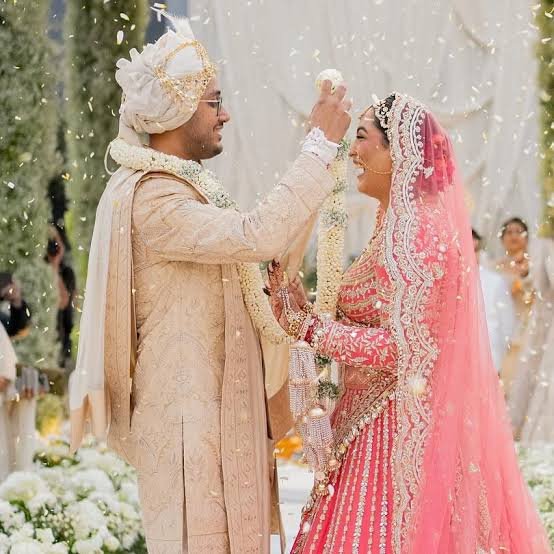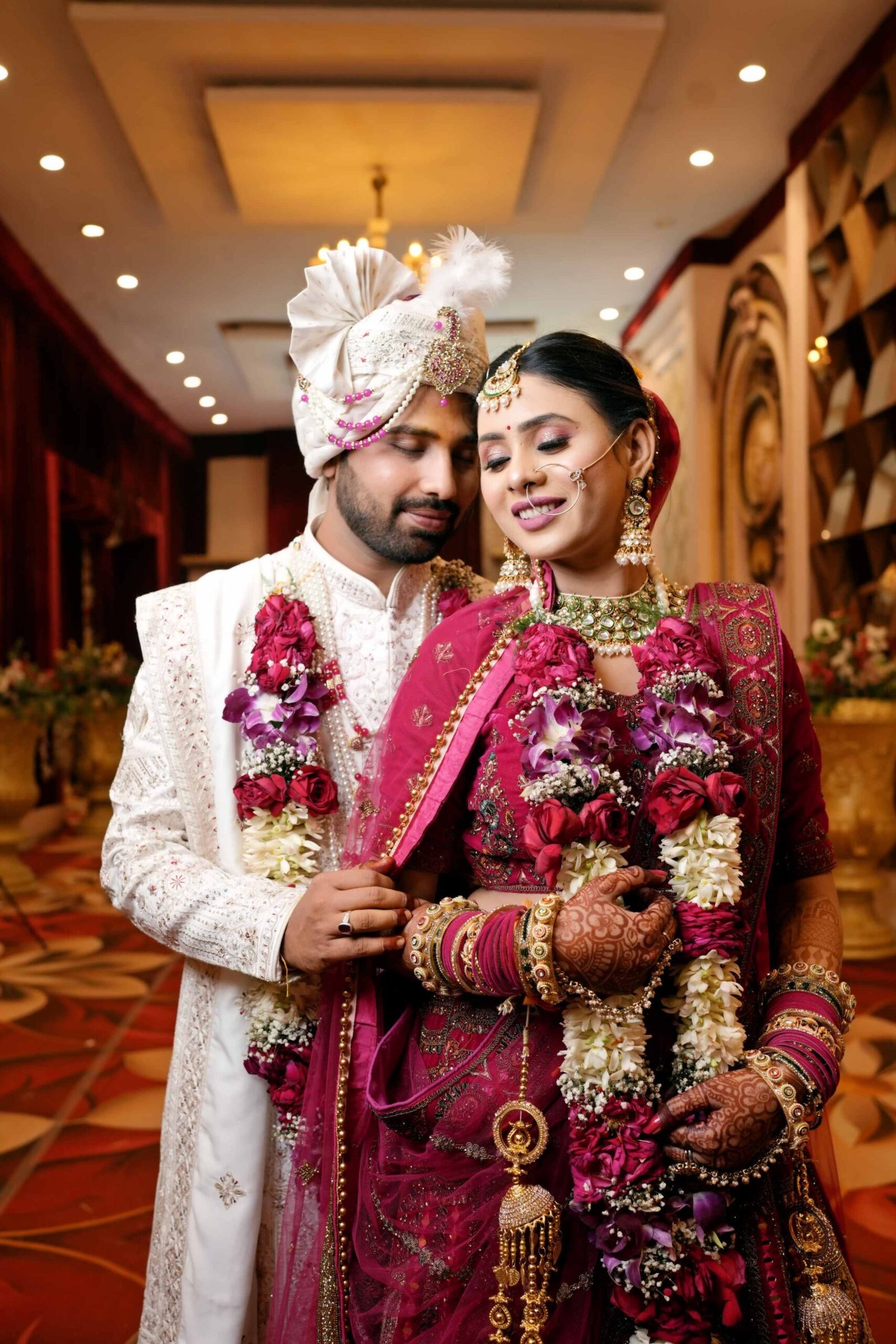
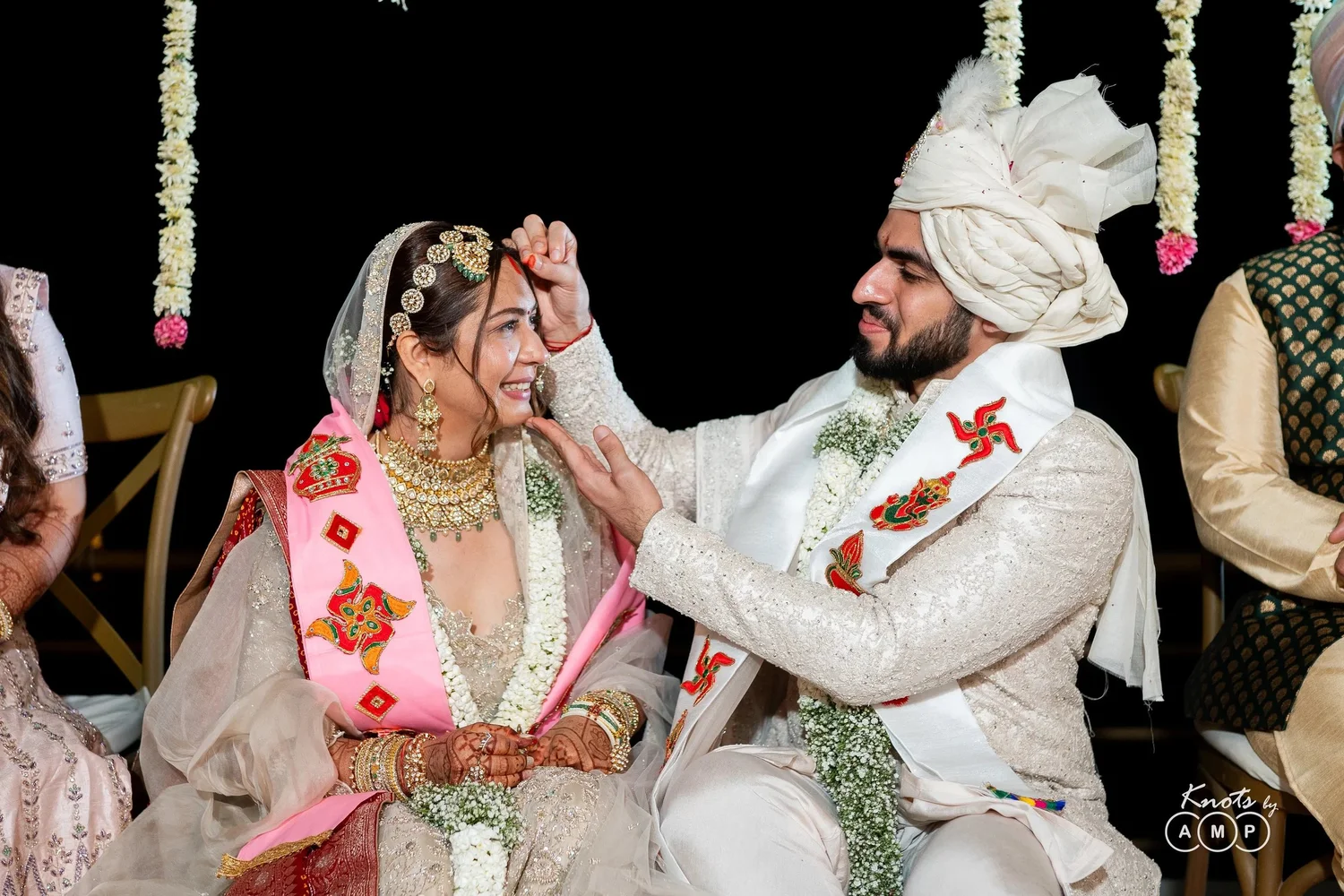
A destination wedding is often described through the eyes of the couple.
The venue.
The décor.
The mandap.
The photographs.
The food.
The celebrations.
But there is another perspective that deserves just as much attention—the wedding guest.
What does it actually feel like to travel to a remote Himalayan destination for a wedding? What does a guest remember after the music stops and everyone returns home?
In Harsil, the answer is very different from a conventional hotel wedding.
Located in the Bhagirathi Valley of Uttarakhand, Harsil is surrounded by snow-clad mountains, pine forests, apple orchards and the Bhagirathi River. Uttarakhand Tourism describes it as a serene Himalayan hamlet and highlights nearby places such as Mukhwa, Dharali and Sattal.
For a wedding guest, Harsil isn’t simply a venue.
It becomes part of the wedding experience.
The Wedding Begins Before You Reach the Venue
One of the biggest differences between a Harsil wedding and a conventional destination wedding is that the journey itself becomes part of the celebration.
Guests don’t simply arrive at an airport, take a short transfer and check into a resort.
They travel through the mountains.
As the landscape changes, the wedding starts feeling less like an event and more like a getaway.
The road journey through Uttarakhand brings changing views of valleys, forests, rivers and mountain settlements before eventually reaching the Harsil region.
For guests coming from cities, this transition can be one of the most memorable parts of the trip.
The destination slowly separates them from everyday life.
And that is exactly what makes a Himalayan wedding feel different.
The First Impression: “We’re Really Getting Married Here?”
Imagine arriving at your accommodation after a long mountain drive.
You step outside.
Instead of traffic, large commercial buildings and city noise, there are mountains around you.
Instead of a typical banquet hall, the surroundings themselves provide the backdrop.
The Bhagirathi flows through the valley, while pine forests, traditional settlements and Himalayan landscapes create a completely different atmosphere.
For a wedding guest, the first reaction may simply be:
“This is beautiful.”
And then comes the realisation:
“This is where the wedding is happening.”
That sense of discovery can become one of the strongest memories of the entire celebration.
The Wedding Welcome Feels More Personal
A large city wedding can sometimes feel like a sequence of scheduled events.
Check-in.
Welcome drink.
Function.
Dinner.
Function.
Checkout.
A Harsil wedding can be designed differently.
Because intimate Himalayan weddings generally work better with smaller guest groups, the welcome can feel more personal.
Guests can be greeted individually.
Welcome hampers can include locally inspired elements.
A simple traditional welcome can replace a large formal reception desk.
Even the smallest details can reflect the destination:
- Local flowers
- Himalayan-inspired welcome hampers
- Traditional music
- Local snacks
- Handwritten welcome notes
- Regional décor elements
- Warm beverages for mountain evenings
The objective is simple:
Make guests feel that they have arrived somewhere special.
Morning in Harsil: A Wedding Guest’s Favourite Moment
Wedding schedules can be busy.
But one of the beautiful things about a mountain destination is that guests don’t have to spend every moment inside the function area.
A morning in Harsil can be slow.
Wake up.
Open the curtains.
Look at the mountains.
Have tea.
Take a short walk.
Talk to family members.
Take photographs.
And simply enjoy the surroundings.
Uttarakhand Tourism highlights Harsil’s apple orchards, pine forests, traditional villages and opportunities for walking, hiking and exploring nearby settlements.
For a wedding guest, these little moments can become just as memorable as the main ceremony.
Haldi Feels Different in the Mountains
Now imagine the Haldi ceremony.
Instead of an enclosed banquet hall, the setup can be created outdoors, subject to venue conditions and weather.
Yellow flowers.
Traditional seating.
Mountain views.
Soft music.
Family members laughing.
The bride and groom surrounded by close friends.
The natural landscape does much of the decorating.
Instead of trying to cover every inch of the venue with artificial décor, the wedding design can work with the surroundings.
This is where a Harsil wedding can embrace a more natural aesthetic.
Think:
Marigolds + wood + local textures + Himalayan views.
Mehendi Becomes a Relaxed Afternoon Experience
Mehendi doesn’t necessarily have to be a loud function.
For an intimate destination wedding, it can become a relaxed afternoon gathering.
Guests can sit together.
The bride gets her Mehendi done.
Friends catch up.
Family members take photographs.
Tea and snacks are served.
Children move around the venue.
Someone starts playing music.
Someone else starts dancing.
And gradually, the formal function becomes a family gathering.
That is one of the biggest advantages of an intimate wedding format.
Guests actually get time with each other.
The Mountains Become the Wedding Décor
Perhaps the most distinctive aspect of a Harsil wedding is the setting.
Harsil’s landscape includes the Bhagirathi River, forests, apple orchards and surrounding Himalayan peaks.
This means the wedding décor doesn’t need to compete with the destination.
Instead, the décor can complement it.
A mandap can use natural textures.
Floral arrangements can remain elegant rather than excessive.
Wooden elements can add warmth.
Warm lighting can create a beautiful evening atmosphere.
And the mountains can remain visible in the background.
The result is often closer to rustic Himalayan luxury than traditional ballroom luxury.
What Does a Harsil Wedding Dinner Feel Like?
By evening, the temperature can drop, particularly during colder periods.
That’s when the atmosphere changes.
Warm lighting comes on.
Guests gather closer.
The music becomes softer.
Dinner becomes an important social moment.
A carefully planned wedding menu can combine familiar Indian dishes with regional touches, while keeping guest preferences and dietary requirements in mind.
For an 80-guest wedding, for example, a relaxed dinner can include:
- Indian vegetarian specialties
- Regional Uttarakhand-inspired dishes
- Live counters
- Soups
- Desserts
- Hot beverages
- Traditional sweets
The goal isn’t simply to feed guests.
It is to make the evening comfortable.
A Harsil Wedding Is Also a Mini Holiday
One of the biggest differences from a city wedding is that guests are not travelling only for the ceremony.
They are travelling to experience Harsil.
Depending on the itinerary and local conditions, the wedding group can include time for:
Mukhwa Village
Mukhwa is located near Harsil and is associated with the winter worship tradition of Goddess Gangotri. Uttarakhand Tourism identifies it as the winter abode of Goddess Gangotri.
Dharali
Dharali is around 3 km from Harsil and offers an opportunity to experience local culture and village life.
Sattal
Sattal, described by Uttarakhand Tourism as a cluster of seven lakes, is also close to Harsil.
These experiences can be incorporated around the wedding schedule without turning the celebration into a hectic sightseeing tour.
What Guests Actually Remember
Ask someone about a wedding years later.
They may not remember the exact flower arrangement.
They may not remember the colour of the napkins.
They may not even remember the sequence of every ceremony.
But they remember experiences.
The road through the mountains.
The first view of Harsil.
The morning tea with the mountains outside.
The Haldi laughter.
The evening music.
The family photographs.
The cold mountain air after dinner.
The moment everyone stood together under the Himalayan sky.
These are the memories that make a destination wedding different.
Is Harsil Comfortable for Wedding Guests?
This is an important question when planning a wedding in a Himalayan destination.
Harsil is not a conventional metropolitan wedding destination.
It is a mountain destination, so the wedding planner needs to consider:
- Road travel time
- Weather conditions
- Accommodation capacity
- Heating arrangements during colder periods
- Medical and emergency planning
- Guest mobility
- Transport buffers
- Food preferences
- Power backup
- Event equipment logistics
- Local permissions where applicable
Uttarakhand Tourism lists Jolly Grant Airport as approximately 232 km from Harsil and Rishikesh as the nearest railhead at approximately 215 km, with Harsil connected by motorable roads.
This makes planning and guest communication especially important.
A well-organised Harsil wedding should never treat the destination like a city hotel.
The journey itself needs to be planned.
How to Make Guests Comfortable at a Harsil Wedding
A good destination wedding planner should think about the guest experience from the moment invitations are sent.
Before the Wedding
Send guests:
- Detailed travel instructions
- Weather information
- Clothing recommendations
- Transport details
- Check-in information
- Emergency contact numbers
- Suggested packing list
During the Wedding
Provide:
- Comfortable transfers
- Welcome drinks
- Warm beverages
- Proper meal timings
- Comfortable seating
- Flexible downtime
- Medical/emergency support information
- Dedicated guest assistance
Most Importantly
Don’t over-schedule the wedding.
Guests have travelled to the Himalayas.
Let them experience the Himalayas.
What Should Guests Pack?
A Harsil wedding packing list should be slightly different from a regular resort wedding.
Guests should consider carrying:
- Warm layers
- Comfortable walking shoes
- Personal medicines
- Sunscreen
- Sunglasses
- Moisturiser/lip balm
- Power bank
- Comfortable ethnic wear
- A warm evening outfit
- Small backpack
- Weather-appropriate outerwear
The exact requirements depend on the wedding season and current weather conditions.
Uttarakhand Tourism notes that Harsil can receive heavy snowfall in winter and identifies April–June and September–October as favourable visiting periods.
The Best Part: Guests Get to Disconnect
Perhaps the biggest luxury of a Harsil wedding isn’t something you can put on a menu.
It is time.
Time away from traffic.
Time away from office calls.
Time away from crowded venues.
Time to sit with parents.
Time to talk to cousins.
Time to walk with friends.
Time to watch the mountains.
Time to celebrate without constantly checking the clock.
That is why Harsil can work particularly well for couples looking for a small, intimate and experience-driven destination wedding.
Harsil Through a Guest’s Eyes vs a Conventional Wedding
| Experience | Conventional City Wedding | Harsil Wedding |
|---|---|---|
| Arrival | Airport/short transfer | Mountain journey |
| Setting | Hotel/banquet venue | Himalayan valley |
| Décor | Mostly created by production | Natural landscape + décor |
| Guest experience | Event-focused | Travel + celebration |
| Atmosphere | Fast-paced | Slower & intimate |
| Photography | Venue-focused | Nature + wedding |
| Activities | Mainly wedding functions | Wedding + local experiences |
| Evening | Indoor celebration | Mountain evening atmosphere |
| Memory | Mainly the event | Destination + event |
The difference isn’t necessarily about one being better than the other.
They simply create different kinds of wedding experiences.
Why Harsil Works for an Intimate Wedding
Harsil is particularly interesting for couples who don’t want their wedding to feel like a large-scale production.
The destination naturally encourages a smaller format.
A wedding of 20, 40, 60 or 80 guests can be designed around:
Family.
Nature.
Food.
Culture.
Celebration.
Time together.
Rather than trying to recreate a five-star ballroom in the mountains, the wedding can celebrate what makes the mountains special.
This is where the idea of “Himalayas as the décor” becomes meaningful.
The Wedding Guest Leaves With More Than Wedding Photos
When the last ceremony is over, guests eventually pack their bags.
The mandap comes down.
The flowers disappear.
The music stops.
But Harsil remains.
The mountains remain.
The river continues flowing.
The villages continue their daily rhythm.
And the guests leave with something more than photographs of the bride and groom.
They leave with memories of a journey.
A mountain morning.
A family celebration.
A quiet walk.
A beautiful ceremony.
And perhaps a feeling that they didn’t simply attend a wedding.
They experienced a place.
Final Thoughts: A Wedding That Feels Like a Journey
Harsil through the eyes of a wedding guest is not just about attending a ceremony in a beautiful location.
It is about experiencing the destination from the moment the journey begins.
It is about waking up surrounded by mountains.
It is about watching Haldi unfold against a Himalayan landscape.
It is about sitting with family over dinner while the temperature drops outside.
It is about discovering villages, rivers and orchards between wedding functions.
And most importantly, it is about creating enough space for people to actually spend time together.
For couples looking for an intimate Himalayan destination wedding in Uttarakhand, Harsil offers a different wedding canvas—one where nature, travel, and celebration become part of the same story.
Plan Your Himalayan Wedding with Vaidic Sutra
At Vaidic Sutra – A Unit of Discover Uttarakhand, we plan destination weddings around the complete guest experience—from accommodation and transportation to décor, ceremonies, hospitality, logistics and local experiences.
Your wedding should not feel like an event your guests travelled to.
It should feel like a journey they will remember.
Vaidic Sutra – Sacred Traditions, Timeless Destinations.