What if your wedding wasn’t just a ceremony?
What if your guests didn’t simply arrive, attend the wedding and leave?
What if the entire journey—from the moment they reach the mountains to the moment they say goodbye—became part of the celebration?
That is the idea behind a 3-day Harsil destination wedding.
Instead of treating Harsil simply as a wedding venue, couples can design the celebration as a Himalayan experience combining wedding rituals, mountain scenery, local culture, intimate gatherings, food, photography and time with family.
Harsil is a Himalayan hamlet in Uttarkashi district, surrounded by snow-clad mountains, pine forests, apple orchards and the Bhagirathi River. Uttarakhand Tourism also highlights nearby Mukhwa, Dharali and Sattal as places that can add local experiences to a Harsil stay.
The result can be very different from a conventional hotel wedding.
The destination becomes part of the wedding story.
Why Harsil Is Different From a Conventional Wedding Destination
In a typical destination wedding, guests may arrive at a resort, check in, attend functions and return home.
Harsil naturally encourages a different approach.
The journey to the valley, the mountain landscape, local villages, apple orchards and the Bhagirathi River can all become part of the experience. Uttarakhand Tourism describes Harsil as a serene Himalayan destination and notes opportunities for village walks, hiking and exploring the surrounding area.
That makes it possible to design a wedding around three themes:
Day 1 — Discover the Destination
Arrival + Welcome + Haldi + Mehendi
Day 2 — Celebrate the Couple
Wedding + Baraat + Reception
Day 3 — Experience the Himalayas
Breakfast + Local Experience + Farewell
Rather than filling every hour with functions, the objective is to create a comfortable rhythm.
Day 1: Welcome Your Guests to the Himalayas
The Wedding Starts With the Journey
For most guests, reaching Harsil is already an experience.
Uttarakhand Tourism lists Jolly Grant Airport as the nearest airport, around 232 km away, and Rishikesh as the nearest railhead, around 215 km away. Harsil is connected by motorable roads with major towns and cities.
That means guest logistics should be treated as an important part of the wedding planning.
Instead of simply arranging transportation, turn the journey into the first chapter of the wedding.
Consider providing guests with:
- Welcome travel kits
- Bottled water
- Light mountain snacks
- Comfortable transfers
- Destination information
- Emergency contact details
- Warm clothing guidance
- Personalised welcome notes
The objective is to make the journey comfortable while allowing guests to appreciate the changing Himalayan landscape.
The First Evening: A Himalayan Welcome
Once guests arrive and check into their accommodation, avoid immediately rushing them into a large function.
Give them time.
Let them freshen up.
Let them explore the property.
Let them have tea.
Let family members meet.
Then begin the wedding celebrations.
A simple welcome can include:
- Traditional welcome
- Tilak
- Local-inspired refreshments
- Tea and coffee
- Soft instrumental music
- Floral décor
- Welcome hampers
The atmosphere should communicate one thing:
“Welcome to our Himalayan wedding.”
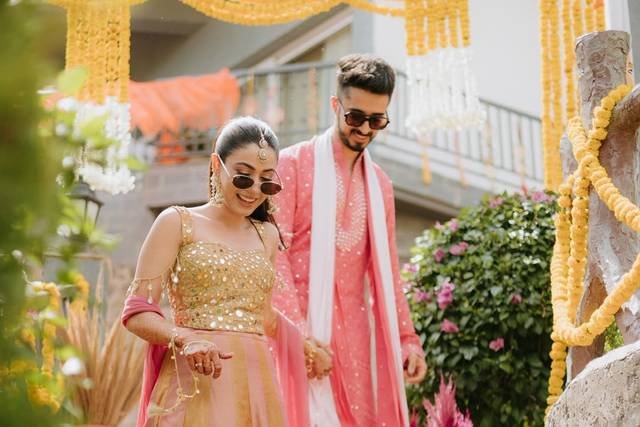
Haldi With the Mountains as Your Backdrop
The first major function can be the Haldi ceremony.
And Harsil allows you to make it visually different.
Instead of an elaborate indoor setup, consider a natural outdoor space where permitted and weather conditions allow.
Décor concept:
Yellow + White + Green + Natural Wood
Add:
- Marigold flowers
- Floral strings
- Wooden furniture
- Traditional umbrellas
- Low seating
- Colourful cushions
- Brass elements
- Simple floral backdrops
The idea isn’t to hide the mountains.
It’s to frame them.
Mehendi as a Slow Himalayan Afternoon
After Haldi, guests can have lunch and some downtime.
Then comes Mehendi.
This is where a Harsil wedding can become particularly intimate.
Create a relaxed Mehendi lounge with:
- Floor seating
- Floral cushions
- Low tables
- Tea and coffee
- Local snacks
- Soft music
- Mehendi artists
- Photo corners
Instead of making Mehendi another large production, let it become a social afternoon.
Friends talk.
Families meet.
Children play.
The bride gets her Mehendi.
Photographers capture candid moments.
And everyone gradually settles into the wedding mood.
Add a Local Himalayan Experience
The first day doesn’t need to be entirely about wedding functions.
If the schedule and local conditions permit, a short destination-oriented experience can be incorporated.
Harsil’s surrounding area includes villages and natural attractions. Uttarakhand Tourism identifies Dharali, around 3 km from Harsil, as a place to experience local culture and traditions, while Sattal, also around 3 km away, is known for its cluster of seven lakes.
For wedding guests, this could mean a short:
- Village walk
- Local photography session
- Nature walk
- Tea experience
- Cultural interaction
- Short sightseeing excursion
However, the experience should be optional.
Don’t make your guests feel like they’re on a forced sightseeing tour.
Evening Sangeet: Let the Mountains Set the Mood
As daylight fades, the wedding can transition into the Sangeet.
This is where lighting becomes important.
Think:
- Warm fairy lights
- Lanterns
- Candles
- Wooden elements
- Floral installations
- Mountain-inspired décor
- Comfortable lounge seating
The Sangeet can include:
Couple Performance
A special dance prepared by the bride and groom.
Family Performances
Short, personal performances rather than a very long programme.
Friends’ Performances
Fun, energetic and informal.
Live Music
Acoustic music can work beautifully for an intimate mountain evening.
DJ
The evening can transition into a dance party later, subject to venue and local requirements.
Day 2: The Wedding Day
Day 2 should be the emotional centre of the entire experience.
And this is where the schedule should remain comfortable.
Don’t overload the wedding day with unnecessary activities.
Morning: Slow Down
Start with breakfast.
Allow guests time to wake up, have tea and get ready.
Meanwhile, the bride and groom begin their preparations.
The photography team can capture:
- Bridal makeup
- Groom preparation
- Jewellery
- Wedding attire
- Family interactions
- Décor details
- Couple portraits
The mountains provide a natural setting for pre-wedding photography.
Sehra Bandi and Baraat
The groom’s family gathers for Sehra Bandi.
Then comes the Baraat.
For a Harsil wedding, the Baraat itself can be designed to feel intimate rather than excessively elaborate.
Depending on the venue, local conditions and permissions, arrangements can include:
- Traditional music
- Dhol
- Family dancing
- Floral welcome
- Traditional Baraat rituals
The goal isn’t to recreate a city wedding in the mountains.
It is to create a Baraat that belongs to the destination.
The Himalayan Mandap
Now comes the centrepiece.
The wedding mandap.
Imagine a simple floral structure with:
- Natural wood
- White flowers
- Green foliage
- Soft fabric
- Traditional brass elements
- Warm lighting
And behind it:
The Himalayan landscape.
Uttarakhand Tourism describes Harsil as being nourished by the Bhagirathi River and surrounded by mountains, forests and apple orchards.
That natural setting can become an important part of the ceremony’s visual identity.
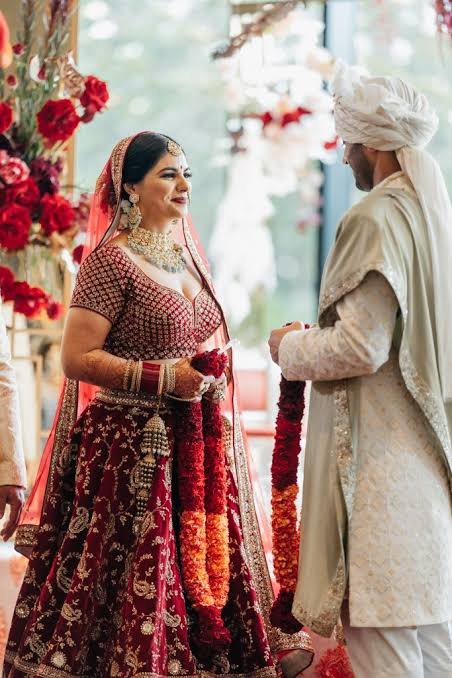
Wedding Ceremony
The wedding can follow the couple’s chosen traditional rituals.
A typical flow may include:
- Ganesh Puja
- Jai Mala
- Kanyadaan
- Pheras
- Sindoor
- Mangalsutra
- Blessings from elders
The ceremony should be planned according to the family’s traditions and the requirements of the selected venue or religious location.
Wedding Lunch
After the ceremony, guests can enjoy lunch.
For an intimate destination wedding, the menu can combine familiar favourites with regional touches.
Possible additions include:
- Traditional Indian dishes
- Regional Uttarakhand-inspired preparations
- Live counters
- Fresh salads
- Desserts
- Tea and coffee
Food is one of the easiest ways to connect the wedding to its destination.
Couple Photography in the Himalayas
After lunch, the couple can take a short photography session.
Instead of spending hours travelling to multiple locations, use the immediate surroundings intelligently.
Possible frames include:
- Mountain backdrop
- Riverside views where safe and permitted
- Forest surroundings
- Traditional architecture
- Apple orchards where access is permitted
- Quiet pathways
- Sunset portraits
The goal is not to photograph everything.
It is to create a visual story of the destination and the marriage.
Evening Reception: From Ceremony to Celebration
After the wedding rituals, guests can return to their rooms and freshen up.
Then the evening can begin with a reception.
Suggested flow:
7:00 PM — Guest arrival
7:30 PM — Couple entry
7:45 PM — Family photographs
8:00 PM — Couple dance
8:15 PM — Family performances
8:45 PM — Dinner
9:30 PM onwards — Music & celebration
This gives guests time to relax while keeping the evening energetic.
Day 3: Don’t Let the Wedding End Abruptly
One of the biggest mistakes in destination weddings is treating the final morning as simply:
Breakfast → Check-out → Goodbye.
Instead, make Day 3 part of the Himalayan experience.
A Slow Himalayan Morning
After two days of celebrations, guests should have a relaxed morning.
Breakfast can be served at the property.
Then guests can enjoy:
- Tea with mountain views
- Short walks
- Photography
- Family conversations
- Local shopping
- Relaxation
This is especially important because Harsil is a mountain destination where travel itself can take significant time.
Optional Local Experience
Depending on the season, guest mobility, weather and the group’s schedule, a short local experience can be planned.
Option 1: Mukhwa Village
Mukhwa is a short distance from Harsil and is identified by Uttarakhand Tourism as the winter abode of Goddess Gangotri.
Option 2: Dharali
Dharali offers an opportunity to experience local culture and village life and is approximately 3 km from Harsil, according to Uttarakhand Tourism.
Option 3: Sattal
Sattal, also listed by Uttarakhand Tourism, is a cluster of seven lakes around 3 km from Harsil.
These should be treated as optional experiences rather than compulsory wedding activities.
Farewell Brunch or Lunch
Before guests depart, arrange a relaxed farewell meal.
Instead of another elaborate buffet, consider a warm, comfortable meal with:
- Breakfast favourites
- Local dishes
- Fresh fruit
- Tea
- Coffee
- Desserts
A small farewell gift can be placed at each guest’s table.
The Perfect 3-Day Harsil Wedding Structure
Here is a practical structure for an intimate wedding of approximately 60–100 guests.
| Day | Morning | Afternoon | Evening |
|---|---|---|---|
| Day 1 | Guest arrival & check-in | Welcome lunch + Haldi | Mehendi + Sangeet |
| Day 2 | Breakfast + preparations | Baraat + Wedding + Lunch | Reception + Dinner |
| Day 3 | Breakfast + local experience | Farewell lunch + check-out | Guest departure |
This structure creates a balance between:
Celebration + Exploration + Relaxation.
How to Make the Wedding Feel More “Himalayan”
The destination should influence the wedding without turning it into a theme park.
Use Local-Inspired Décor
Think:
- Natural wood
- Himalayan-inspired textiles
- Local floral arrangements
- Traditional brass elements
- Stone textures
- Warm lighting
- Handcrafted signage
Use the Landscape
Don’t build a huge artificial backdrop everywhere.
Instead:
Frame the mountains.
Frame the river.
Frame the forest.
Frame the sunset.
Let the destination do some of the visual work.
Add Local Flavours to the Wedding
Food can become part of the destination experience.
Depending on the selected caterer and menu preferences, introduce regional-inspired dishes alongside familiar wedding favourites.
This could include an Uttarakhand-inspired food corner, local beverages and regional snacks.
The objective is to give guests something they wouldn’t normally experience at a city wedding.
Give Guests a Himalayan Welcome Hamper
A destination wedding welcome hamper can become a beautiful part of the experience.
Consider including:
- Local tea
- Regional snacks
- Small handmade products
- Travel essentials
- Personalised wedding itinerary
- Warm socks or a light winter accessory depending on season
- A handwritten welcome note
Instead of a generic luxury hamper, make it tell the story of Harsil.
Don’t Over-Schedule the Experience
This is perhaps the most important rule.
Harsil should not become:
7 AM breakfast → 8 AM sightseeing → 10 AM Mehendi → 12 PM lunch → 1 PM photos → 3 PM Haldi → 5 PM Sangeet → 7 PM dinner.
That defeats the purpose.
A Himalayan wedding should have breathing space.
Give guests time to:
- Sleep
- Walk
- Photograph
- Talk
- Drink tea
- Enjoy the scenery
- Spend time with family
The empty spaces are part of the experience.
Plan Around the Mountain, Not Against It
Harsil is a mountain destination, so wedding planning needs additional logistical thought.
Uttarakhand Tourism notes that Harsil experiences heavy snowfall in winter and identifies April–June and September–October as favourable periods for visiting.
Therefore, planners should consider:
Weather Backup
Have an indoor alternative for outdoor functions.
Guest Comfort
Plan heating, seating and warm beverages according to season.
Transport Buffer
Mountain travel can require more time than city travel, so avoid tightly packed schedules.
Elderly Guests
Keep walking distances short and provide suitable transportation.
Vendor Logistics
Décor, sound, lighting and catering equipment need to reach the venue well in advance.
Local Permissions
Confirm venue, community and location-specific permissions wherever required before finalising an event.
A 3-Day Harsil Wedding Is More Than Three Wedding Days
This is the real idea behind a Himalayan destination wedding.
You aren’t simply creating:
Day 1 — Function
Day 2 — Wedding
Day 3 — Checkout
You are creating:
Day 1
“Welcome to the Himalayas.”
Day 2
“Today we celebrate your love.”
Day 3
“Take a little piece of the Himalayas home with you.”
That is a completely different wedding philosophy.
Why This Format Works for Intimate Weddings
A 3-day Harsil experience can work particularly well for smaller guest groups because there is enough time for people to actually interact.
For example, with around 80 guests:
- Families can have breakfast together.
- Friends can spend time between functions.
- Guests can explore the destination.
- The couple can meet everyone personally.
- Photographers can capture candid moments.
- The wedding can feel less rushed.
The result is a celebration that feels closer to a private Himalayan gathering than a conventional large-scale wedding.
Harsil Becomes Part of Your Wedding Story
The most important thing about a Harsil wedding is that the destination should not feel like a backdrop rented for two days.
It should become part of the story.
The road journey becomes the beginning.
The mountains become the setting.
The river becomes part of the photographs.
The villages become part of the experience.
The local flavours become part of the menu.
The evening cold becomes part of the memory.
And the wedding becomes the centre of it all.
Final Thoughts
A destination wedding in Harsil doesn’t have to be limited to a mandap, dinner and checkout.
With thoughtful planning, your wedding can become a three-day Himalayan experience where every day has a different personality.
Day 1 can be about discovery.
Day 2 can be about celebration.
Day 3 can be about connection and farewell.
And somewhere between the Haldi, Mehendi, Sangeet, Baraat and wedding ceremony, your guests get something that a conventional wedding often struggles to provide:
Time together in a truly memorable place.
At Vaidic Sutra – A Unit of Discover Uttarakhand, we design destination weddings around more than just the ceremony. From guest logistics and accommodation to décor, hospitality, local experiences and wedding-day coordination, the focus is on creating a celebration that feels connected to its Himalayan setting.
**Your wedding can be the reason everyone comes to Harsil.
But Harsil should be one of the reasons they never forget it.**
Vedic Sutra – Sacred Traditions, Timeless Destinations.